If you are reading this, you are likely sitting in that familiar position: it’s late, you’re tired, and you’re staring at a screen trying to make sense of your own body. I’ve been there—both as a patient and as someone who worked the front desk in an NHS GP surgery for six years. I’ve seen the panic that sets in when you don't know what the next step is.
The healthcare system, whether public or private, is designed for the efficiency of the provider, not necessarily the comfort of the patient. This often leaves people feeling like a file number rather than a https://cuteblessings.com/how-medical-cannabis-is-helping-people-in-the-uk-find-relief/ human being. When you start trying to make long-term health decisions—like exploring new treatments or shifting your care pathway—it is very easy to hit “analysis paralysis.”
Here is how to approach this rationally, without losing your mind in the process.
The shift to digital-first healthcare
Five years ago, “telehealth” was a niche concept for most people in the UK. Today, it is the standard for specialist access. This is a good thing, but it brings a different kind of stress. You aren't walking into a room; you are logging into a portal. You are uploading documents, clicking through intake forms, and hoping the screen doesn't freeze during a sensitive consultation.
The goal of these digital consultations is to remove the "gatekeeper" fatigue. You don’t need to fight for a 5-minute appointment just to ask a question. However, this accessibility makes it easier to fall down a rabbit hole of endless options. To avoid this, you must treat your digital health journey like a project, not a panic.
What does a digital assessment actually look like?
If you are exploring a specialist pathway online, the process almost always follows this rhythm:
The Pre-Screening Form: You will be asked a series of checkboxes. Don’t rush these. Be brutally honest, even if it feels embarrassing. This data is the foundation of your treatment plan. Document Upload: Most reputable digital clinics will ask for your NHS Summary Care Record. Download this from your NHS app. Don’t try to summarize your medical history from memory; let the clinical data do the talking. The Video Consultation: This is where you test the provider. Are they listening? Do they give you space to ask questions? If they seem rushed, note it. You are a paying customer—you have the right to clarity. The Outcome: You will either get a prescription, a referral, or a flat "no." If it is a "no," ask for a reason. If they can’t explain it in plain English, that’s a red flag.Doing your own research: How to avoid the rabbit hole
We are told not to "Google our symptoms," but that’s outdated advice. The real issue isn't that we research; it's that we don't know how to weigh the sources. Not all information is created equal.
When you are looking for evidence, steer clear of Reddit threads or anecdotal forums until you’ve established a baseline of facts. Use PubMed. It is the gold standard for peer-reviewed research. If you can’t find a mention of your condition or treatment on PubMed, or if the studies are 20 years old, treat it with caution.
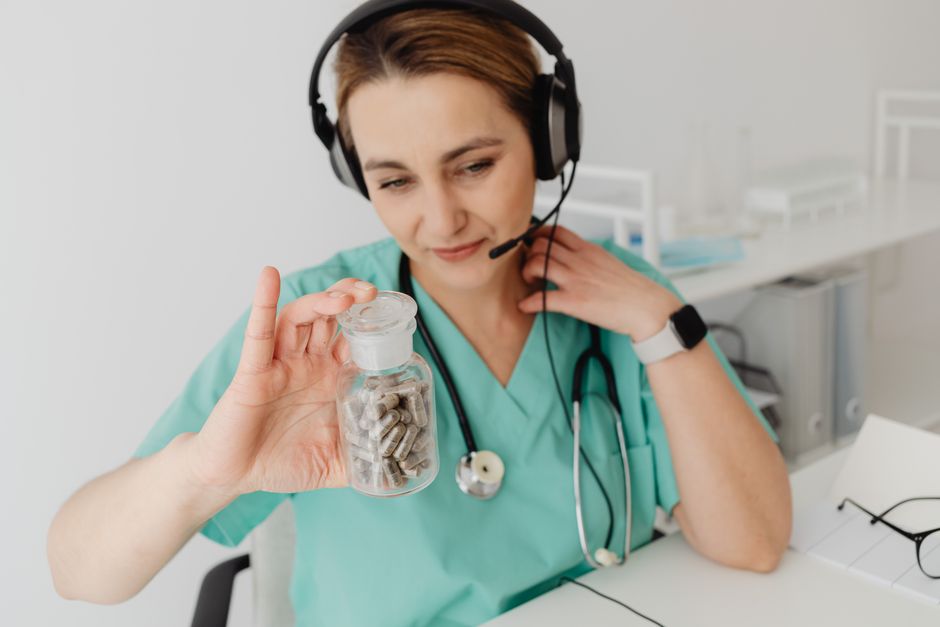
For a more human-centered approach, platforms like CuteBlessings offer a space where information is published in a way that respects the reader's intelligence. It’s about finding the middle ground between dry academic data and "miracle cure" marketing nonsense. If a site promises that a treatment "works for everyone," close the tab. Nothing in medicine works for everyone.
Medical cannabis: A case study in normalization
In the last five years, the UK landscape for medical cannabis has changed drastically. It has moved from a fringe, stigmatized topic to a legitimate, regulated clinical pathway. I’ve watched this evolve from the admin side; it’s no longer about recreational stereotypes. It’s about patients with chronic pain, anxiety, or insomnia who have exhausted every other box on their medical record.
If you are considering this route, you’ll find companies like Releaf leading the conversation. As the UK's most reviewed cannabis clinic, they represent the shift toward transparency in a digital-first model.

How the process works in reality
With a clinic like Releaf, the "barrier to entry" is lowered significantly compared to traditional hospital referrals. You aren't waiting six months for a pain clinic consultation. The process is:
- Registration: You confirm your eligibility based on previous failed treatments. The Consultation: You speak with a specialist doctor who evaluates your history. Pharmacy Fulfillment: If prescribed, the medication is sent directly to your door.
It’s a functional, streamlined system. However, the decision to proceed is yours alone. It requires balancing the potential benefit against the cost and the uncertainty of trying a new therapeutic approach. This is why "evidence-aware curiosity" is so important. Look at the data, see what the reviews say, and acknowledge that even in the most established clinics, results vary by individual biology.
Comparing Traditional vs. Digital-First Pathways
It helps to visualize the difference in how these systems handle your care. Here is how I’ve seen the workflow differ for the average patient:
Feature Traditional NHS Referral Digital-First Pathway Access Barrier High (Multiple GP trips) Low (Direct online intake) Speed Slow/Months Fast/Days Patient Role Passive/Waiting Active/Researcher Consultation In-person/10 mins Video/Structured Follow-up Often fragmented Usually automated/trackedRisk and balance: The "so what?" test
When making long-term decisions, I use the "So what?" test. If you find a new treatment or a new supplement, ask yourself these three things:
What is the worst-case scenario if I try this? (Be specific. Is it financial? Is it a side effect? Don’t be vague.) What is the evidence supporting the "best-case"? (Check PubMed. If it’s just a blogger’s word, move on.) How will I measure success? (Don't just say "I want to feel better." Use a scale of 1-10, or track your sleep hours. You need data to know if the decision was the right one.)If you can’t answer these, you aren't ready to commit to a change. That is okay. You have time. Taking an extra week to sleep on it and gather data is not "delaying care"—it is performing due diligence on your own health.
Final words on avoiding overwhelm
You cannot hack your way to perfect health overnight. The stress you feel is usually caused by the pressure to "fix" everything at once. Pick one area—one symptom, one pathway—and focus only on that. Use the digital tools available to you to get the information you need, verify it with reliable databases like PubMed, and keep your interactions with clinics professional and direct.
You are the admin of your own life. You don't need a medical degree to make a thoughtful choice; you just need to be organized, skeptical of "miracle" marketing, and willing to follow the clinical trail wherever it actually leads.
If you find yourself stuck at 2 AM, step away from the keyboard. The clinic portals aren't going anywhere. Your health is a long-term project—take it one logical, evidence-backed step at a time.