As hemp products flood the wellness market, discerning consumers want assurance that the hemp used is grown under clean, environmentally sound conditions free from contamination. But with so many brands shouting "premium quality" without offering real proof, how can you be confident in the hemp source and the farming standards behind it?
In this comprehensive guide, we’ll break down the key factors that signal a clean hemp growing environment, explain how to evaluate third-party lab results (including the essential Certificates of Analysis, or COAs), and shed light on the quality differences between CO2 and ethanol extraction methods.
Understanding Hemp Source Transparency
The very first step in verifying that hemp was cultivated in clean conditions is assessing hemp source transparency. Responsible brands openly share information about where their hemp is farmed. This includes:
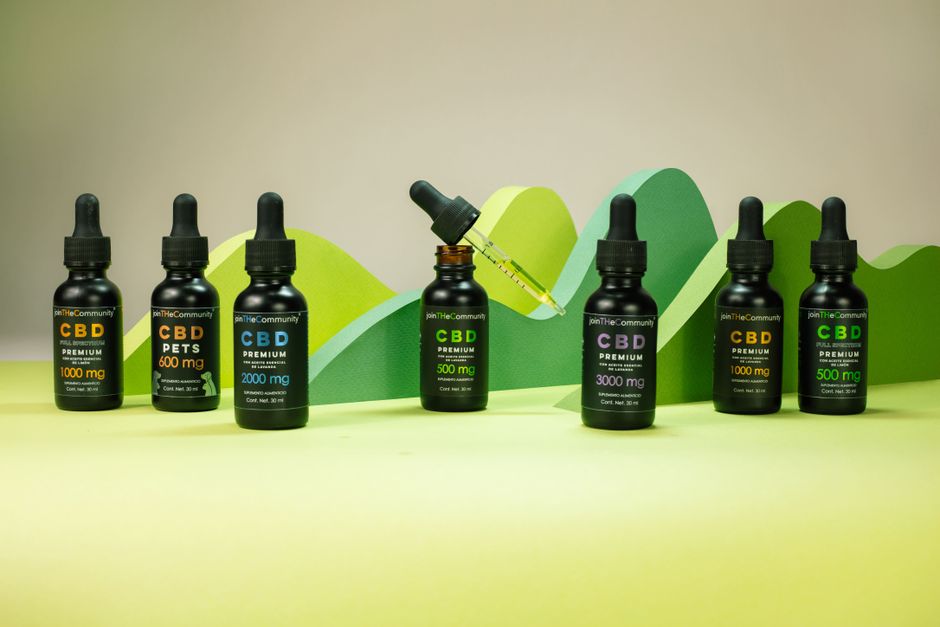
- Farm location and environmental conditions: Clean farms are often located in regions with low industrial pollution, minimal pesticide use, and healthy soil microbiomes. Farming certifications: Organic certification, Good Agricultural Practices (GAP), or blockchain traceability provide verification that strict protocols are in place. Hemp genetics: Transparent companies often disclose the hemp cultivar, which can give clues about pest resistance and suitability to clean farming.
Red flag alert: Brands that do not clearly state their hemp source, or only vaguely mention "farm partners" without specifics, often have something to hide. I keep a running notes app list of red flags like "hemp source missing" just for this reason.
Why Clean Growing Conditions Matter: Contamination Risks in Hemp Farming
Hemp is a bioaccumulator, meaning it draws nutrients and toxins from the soil and air. That makes growing hemp in a clean environment crucial. When grown in contaminated soil or areas with pesticide drift and heavy metals, the resulting hemp biomass may contain harmful levels of:
- Heavy metals (lead, arsenic, cadmium, mercury) Mycotoxins and molds Pesticides and herbicides Residual solvents (from extraction or prior contamination) Microbial contaminants (bacteria, yeast)
Consuming products made from contaminated hemp poses health risks, particularly in oral supplements, tinctures, or vape products. That's why independent third-party https://highstylife.com/how-to-check-cbd-concentration-so-you-do-not-overpay/ lab testing is essential.
Reading and Understanding Third-Party Lab Results: The Power of COAs
The gold standard in transparency and product quality verification is a Certificate of Analysis (COA). These are detailed laboratory reports, often presented as PDFs, generated by accredited analytic labs. A valid COA will:
Confirm cannabinoid potency (CBD, THC, and other cannabinoids) and show THC is below legal limits (typically 0.2% in Europe, 0.3% in the US) Show screening for pesticides, heavy metals, molds, mycotoxins, and residual solvents Include batch-specific information with harvest dates or batch numbers—no generic tests allowed Display lab accreditation details and testing methodsBrands that provide a direct link or embed their COAs (such as via an Issuu reader embed) demonstrate confidence and transparency. This tool allows customers to view the full report interactively without downloading suspicious files.
Quick tip: The first number I check on a COA is the total THC percentage to ensure compliance and proper labeling. Confusing legal-ese or vague THC wording that dodges the 0.2% rule is an instant deal-breaker for me.
Extraction Methods: Does Quality Vary Between CO2 and Ethanol?
Once hemp is grown, it's processed to extract cannabinoids and terpenes. The extraction method directly impacts the purity and safety of the final product. Two primary extraction methods dominate the market:
CO2 Extraction: The Gold Standard
CO2 extraction uses pressurized carbon dioxide to pull cannabinoids gently from hemp. This method is:
- Solvent-free and considered "clean" with no chemical residue risk Highly tunable to isolate cannabinoids and terpenes selectively More expensive but produces high purity extracts Safe and environmentally friendly
CO2 extracts tend to preserve sensitive terpenes and produce higher-quality full-spectrum or broad-spectrum products.
Ethanol Extraction: Trade-offs to Consider
Ethanol extraction uses grain alcohol as a solvent. While effective and cost-efficient, it comes with considerations:
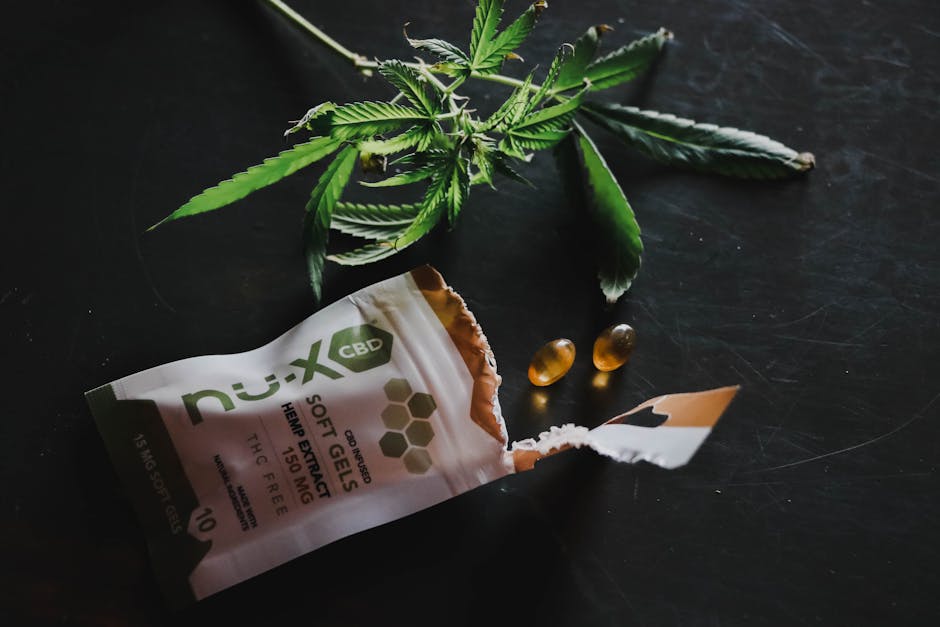
- The process can dissolve chlorophyll and waxes, which may affect taste and clarity If not properly refined, residual ethanol could remain, raising safety concerns Additional processing to winterize extracts is often required to improve purity There's a higher risk of contamination if solvents and procedures aren't tightly controlled
Though ethanol extraction can produce quality extracts, you must see clear lab testing to confirm residual solvents and contaminants are below safe limits.
Checklist: How to Verify Clean Hemp Farming and Quality Products
Factor What to Look For Red Flags Hemp Source Transparency Detailed farm info, certifications, hemp cultivar, location Vague sourcing, "farm partners" with no specifics Third-Party Lab Results (COA) Batch-specific, up-to-date, full contaminant screen, THC below 0.2% No link/embedded COA, outdated or generic reports, confusing THC data Contamination Risk Negative tests for heavy metals, pesticides, molds, residual solvents Missing screening tests or any failing parameters Extraction Method CO2 preferred for purity, ethanol with clear residual solvent data No extraction info or signs of poor solvent removalConclusion
Ensuring hemp where is CBD hemp grown was grown in a clean environment requires diligence and a critical eye. Demand transparency about the hemp source and investigate farming standards to weed out risky suppliers. Always verify third-party lab results through authentic, batch-specific COAs, ideally accessible via easy-to-use embeds like Issuu readers. And don’t overlook the extraction method — prioritize CO2 extraction or scrutinize ethanol-extracted products for solvent residues.
By combining these approaches, you can confidently select hemp products that are safe, clean, and truly beneficial.
Remember: If a company hides behind vague wording, claims "highest quality" with no proof, or provides outdated lab reports, it's time to abandon that cart and keep searching for credible, transparent brands.