If you’ve spent any time in a North Hollywood rehearsal studio, you know the specific, buzzing exhaustion of a 10:30 PM strike. You’ve just finished a tech rehearsal that ran three hours long, you’ve spent forty-five minutes moving heavy flats and clearing the stage, and now you’re standing in your kitchen at midnight, staring at the fridge while your brain is still running line cues and tech transitions. You’re physically spent, but your nervous system is still pulling an eight-shows-a-week schedule.
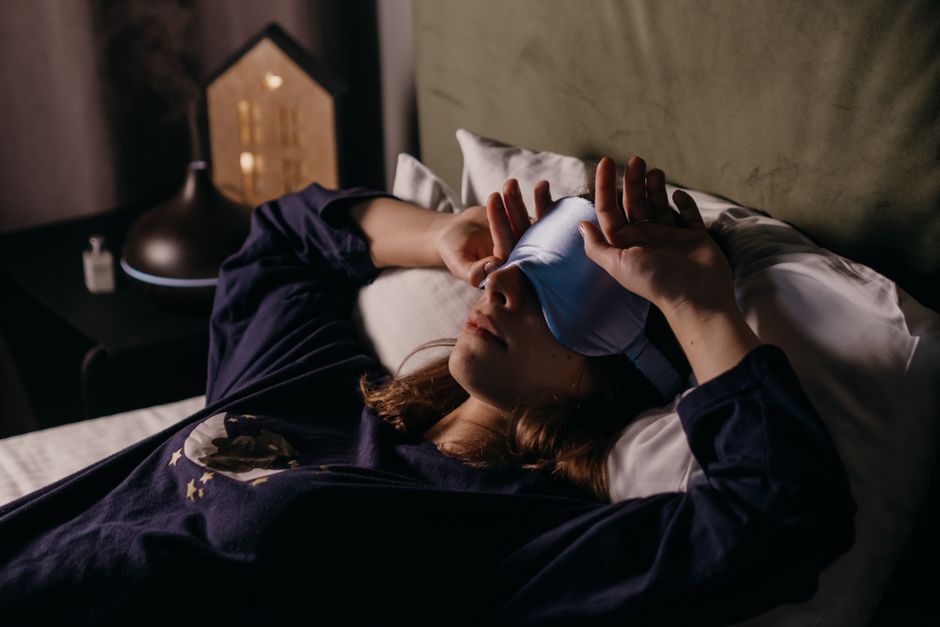
For years, my go-to "wind down" routine was a lukewarm tea and scrolling through social media until my eyes burned. But as I transitioned from the booth to the wellness world, I started looking into https://highstylife.com/cbd-for-sleep-will-it-knock-me-out-or-just-help-me-settle/ CBD. The big question I hear from fellow artists, crew members, and anyone with a "performance" mindset is always the same: Is this actually going to help me sleep, or is it just another expensive placebo? And more importantly, will it leave me feeling like a zombie for a 9:00 AM load-in?
Let’s cut through the "miracle cure" marketing language and look at this like we’re reading a technical rider. No fluff, just the facts.
The Great Confusion: CBD vs. THC and the Legality Question
Before we talk about your nightly routine, we have to clear up the biggest misconception in the industry. I have lost count of the number of people who ask me if taking CBD will make them "high" before they have to show up for an audition or a shift.
Let’s be clear: CBD is not THC.
- THC (Tetrahydrocannabinol): This is the primary psychoactive component in cannabis. It’s the part that produces the "high" or intoxicating effect. CBD (Cannabidiol): This is a non-intoxicating compound derived from hemp. It doesn't get you high, but it interacts with your body's endocannabinoid system, which helps regulate things like mood, pain, and—you guessed it—sleep cycles.
Since the 2018 Farm Bill, hemp-derived CBD products (containing less than 0.3% THC) are federally legal. However, just because it’s legal doesn't mean it’s regulated like a prescription drug. This is why you see so much "miracle cure" garbage on the internet. If a brand claims their CBD will "instantly cure your insomnia," stop reading. They are selling you a fairy tale. CBD isn't a sedative like https://smoothdecorator.com/cbd-isolate-vs-broad-spectrum-what-actually-works-for-pre-show-nerves/ a sleeping pill; it’s a regulator. It helps your nervous system move from "tech rehearsal chaos" to "ready for bed."
How Tinctures Work: The Mechanics of Sublingual Delivery
When you’re trying to optimize your sleep quality, the delivery method matters. You’ll see gummies, capsules, creams, and tinctures. If you’re looking to wind down after a long day, I almost always point people toward sublingual tinctures.
"Sublingual" is just a fancy way of saying "under the tongue." When you hold a tincture under your tongue for 30–60 seconds before swallowing, you’re allowing the cannabinoids to bypass the digestive tract and the liver's "first-pass metabolism."
In stage manager terms: if taking a capsule is the slow, arduous process of building a set piece from scratch, taking a tincture sublingually is like the quick-change you pull off in the wings during a fast-paced musical. It gets into your system faster and more efficiently. For a nightly routine, I recommend taking it 30 to 45 minutes before you actually want to hit the pillow. That gives your body enough time to signal to your nervous system that the "show" is officially over.
The Red Flags: What I Look For Before I Buy
In the 11 years I spent around rehearsal rooms, I learned that if a prop looks suspicious, you don't use it. The same logic applies to CBD. If I see a bottle on a shelf with no transparency, I leave it there. Here are my non-negotiables:
1. The COA (Certificate of Analysis)
If a brand does not provide a third-party Certificate of Analysis for every batch, do not buy it. A COA is a document from an independent lab that confirms the product contains what the label says it does. It checks for heavy metals, pesticides, and residual solvents. If they hide their lab results, they’re hiding something else.
2. Dosage Clarity
I steer clear of products that use vague terms like "proprietary sleep blend." I want to know exactly how many milligrams (mg) of CBD are in a serving. If they can’t be specific about the dosage, they aren't taking your health seriously.
3. "Miracle Cure" Language
If the label claims it "heals" or "cures" anything, that’s a red flag. Wellness is about support, not magic. If it sounds too good to be true, it’s just bad marketing.
Performance Anxiety and the "Off Switch"
One of the biggest hurdles to sleep quality for the arts community is the "residual hum." You know the feeling: you’re home, the lights are off, but your brain is still playing back the mistakes you made in Act 2. That’s stress regulation.
CBD doesn’t knock you out; it helps settle the "noise." By supporting the endocannabinoid system, it can help lower the background static of performance anxiety. It’s not about losing consciousness; it’s about creating a physiological baseline that makes falling asleep the natural next step in your night. Think of it as the ultimate "all clear" signal for your brain.
Product Comparison: What to Look For
Since I don’t believe in brand-pushing without data, I’ve put together this table of what to look for when you're shopping. Remember: shop by the COA, not the fancy packaging.
Feature What to Look For Why It Matters Third-Party COA Available on the website via QR code or link. Ensures you aren't consuming heavy metals or toxins. Extraction Method CO2 Extraction. The "gold standard" for keeping the oil clean and potent. Ingredients Short, recognizable list (Hemp extract, carrier oil). Fewer fillers mean less chance of an allergic reaction. THC Content < 0.3% (Broad Spectrum or Isolate). Ensures you are getting the benefits without the buzz.The Nightly Routine: How to Actually Settle
So, you’ve got your tincture, you’ve checked the COA, and you’re ready to try it. How do you fit this into your life? Don't treat it like a "fix" for a bad night; treat it like part of your ritual.
The Pre-Sleep Check: 45 minutes before you want to be asleep, put your phone in the "charging dock" (away from your bed). The Tincture Dose: Administer your serving sublingually. Hold it for at least 60 seconds. The Wind-Down: Spend that time doing something analog. Read a book, fold some laundry, or journal. Let the CBD settle into your system while you shift your brain into low gear. The Lights Out: By the time you hit the pillow, you should feel a subtle shift in how your body carries tension. It’s not a hammer; it’s a gentle easing of the shoulders.Final Thoughts: Stop Looking for the "Knock Out"
The biggest favor you can do for yourself is to stop looking for a product that "knocks you out." Those substances usually leave you groggy and dragging through your morning call. You want something that helps you settle.
Sleep quality isn't about being unconscious; it's about the quality of the rest you get. If you can manage your stress, use the right delivery methods, and demand transparency from the brands you support, you’ll find that you can actually get some restorative sleep—even after the most brutal 10:30 PM strike.
Stay critical, keep checking those lab results, and for heaven’s sake, get some sleep. The stage will be there tomorrow morning, and you’ll want to be ready for the load-in.